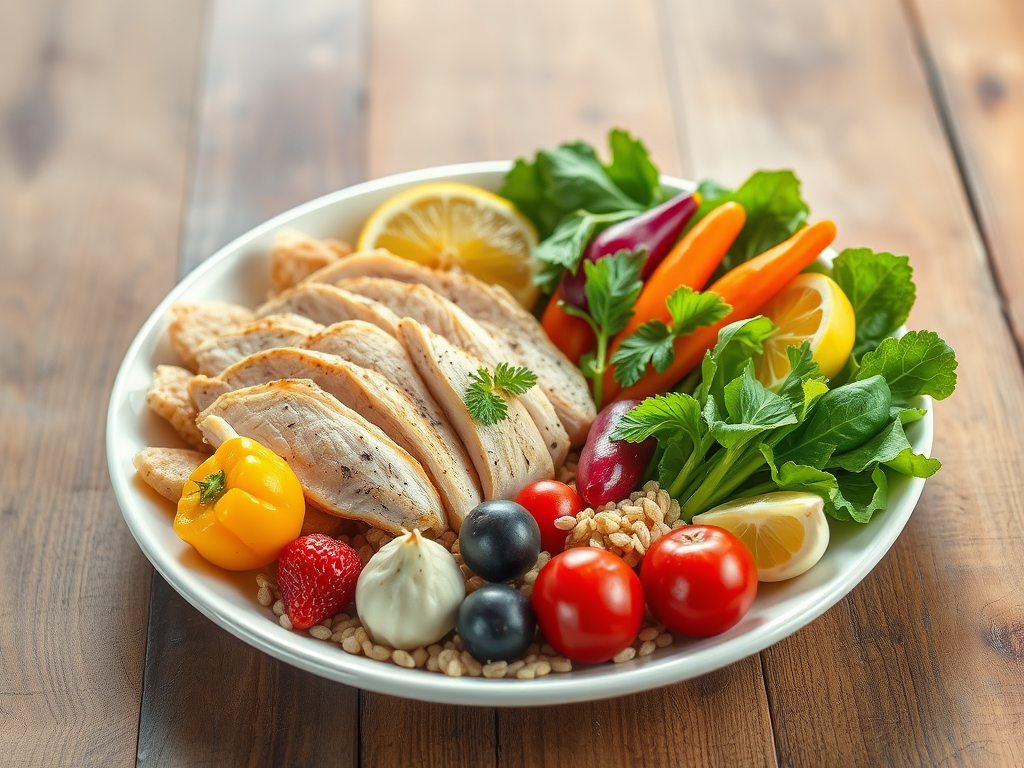
If you’ve recently been told you have gallstones—or you’ve figured it out the hard way—you might be wondering what the hell you’re supposed to eat now. Because guess what? The internet is full of conflicting advice, and your doctor probably handed you a pamphlet from 1997.
Spoiler: A few boiled carrots aren’t going to cut it. This guide breaks down real, gallbladder-safe food that doesn’t suck, so you can stop guessing and start eating without fear.
Quick reminder: why food matters with gallstones
Managing gallstones isn’t just about eating “low fat.” It’s about:
- Reducing fat content overall
- Avoiding fatty spikes that trigger bile release
- Choosing anti-inflammatory foods that support digestion
- Keeping things bland when you’re healing — and creative once you’re stable
Essentially, your gallbladder helps digest fat. When it’s full of stones or inflamed, high-fat foods can trigger painful attacks. So the goal is to eat low-fat, anti-inflammatory meals that keep your digestion smooth and your gallbladder chill.
General rules for gallbladder-safe eating
These aren’t hard rules, but they’ll help:
- Keep fat low – Stick to under 10g of fat per meal if you’re sensitive.
- Skip the heavy stuff – Fried foods, creamy sauces, cheese, and fatty meats are high-risk.
- Eat smaller meals more often – Helps keep bile flowing without overwhelming your system.
- Avoid long fasts – Going too long without eating can make bile sluggish.
Okay, so what can I eat?
When prepared simply, there are so many delicious options.
Low-fat proteins
- Skinless chicken or turkey breast
- White fish (cod, tilapia, haddock)
- Egg whites (skip the yolk at first)
- Tofu
- Legumes like lentils and chickpeas (in small amounts)
Grains and carbs
- White rice, brown rice
- Oats (watch for added fats in pre-packaged types)
- Whole grain bread (low-fat only)
- Potatoes (boiled or baked, not fried)
- Pasta (skip the creamy sauce)
Fruits and vegetables
- Apples, bananas, berries, melons
- Carrots, cucumbers, bell peppers, zucchini
- Leafy greens
- Squash and sweet potatoes
Dairy
- Skim milk or lactose-free alternatives
- Fat-free plain yogurt
- Low-fat cheese in small amounts
Other staples
- Broth-based soups
- Herbal teas (peppermint, chamomile)
- Dry toast, crackers, plain cereal
- Small amounts of olive oil
Watch out: these “healthy” foods aren’t so innocent
Some foods seem like health food, but your gallbladder might disagree:
- Greek yogurt – High in fat unless labeled nonfat
- Avocado toast – Too much fat in one go
- Smoothies – Coconut milk, protein powder, nut butters = trouble
- Nuts/seeds – Healthy, but very fatty
- “Keto” anything – Just don’t
And be careful! The following foods often trigger gallbladder attacks (at least in my experience):
- Fried foods
- Cheese-heavy meals
- Ice cream
- Fatty cuts of red meat
- Butter, cream, lard
- Baked goods (muffins, croissants, etc.)
- Dressings, mayo, creamy sauces
- Nuts, seeds (especially if eaten raw or in large amounts)
What a gallstone-safe day might look like
It’s tough in the beginning, I get it. You are literally scared to eat. You want to do everything in your power to avoid that pain again. If you’re just starting on your healing journey, don’t stress. Try out this sample plan for a few days and see how you feel. Then, adjust and introduce new, safer foods.
Breakfast: Oatmeal with banana slices and a splash of skim milk
Lunch: Grilled chicken on whole grain toast with lettuce + steamed carrots
Snack: Apple slices or low-fat plain yogurt
Dinner: White fish, white rice, steamed zucchini
Dessert: Baked pear with cinnamon
Tips for navigating real life
- Read every label. “Low-fat” doesn’t always mean low enough.
- Portions matter. Even good food can trigger symptoms if you eat too much at once.
- Track your triggers. Keep a food journal — every gallbladder is different.
- Plan ahead. Don’t get stuck hangry with only a cheeseburger in sight.
Final thoughts – you CAN eat well with gallstones
This isn’t a forever sentence of bland rice and sadness. Once you understand what your body tolerates, you can get creative with spices, low-fat cooking methods, and new recipes.
It’s not easy — but you’re not alone. You’ve got gall. And now, you’ve got a plan.

 She's Got Gall
Leave a comment